
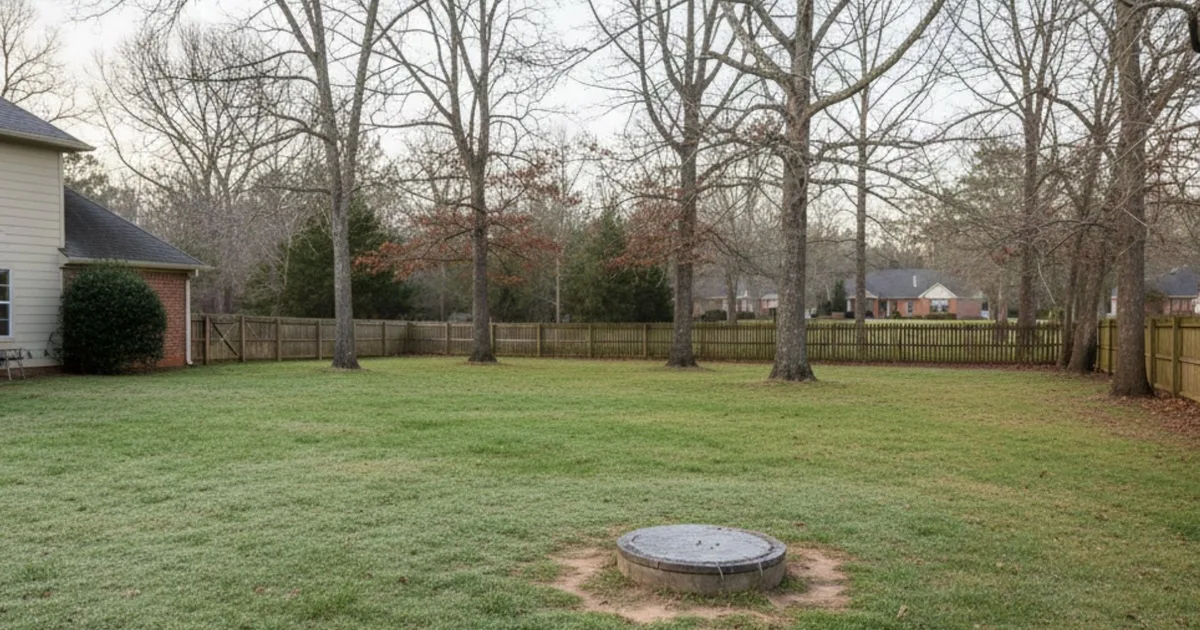
When you move into a new home across Baldwin County, the septic system probably isn’t the first thing on your mind. Most new homeowners don’t spend much time thinking about what’s happening beneath the yard, until something goes wrong. Here’s the thing: winter in southern Alabama brings unique challenges for septic systems that many people don’t anticipate. Understanding how to maintain a septic system in winter in Alabama can save you from expensive emergencies and give you real peace of mind as a homeowner.
We work with families throughout Daphne, Fairhope, Orange Beach, and surrounding communities, and we see what happens when septic systems don’t get the winter attention they need. The good news? With some straightforward guidance and a little preventive care, you can avoid most problems entirely.
Why Winter Septic Maintenance Matters Along the Gulf Coast
Alabama winters aren’t like those up north, but that doesn’t mean septic systems get a free pass. Our coastal climate creates specific conditions that put stress on septic systems in ways many new homeowners don’t expect.
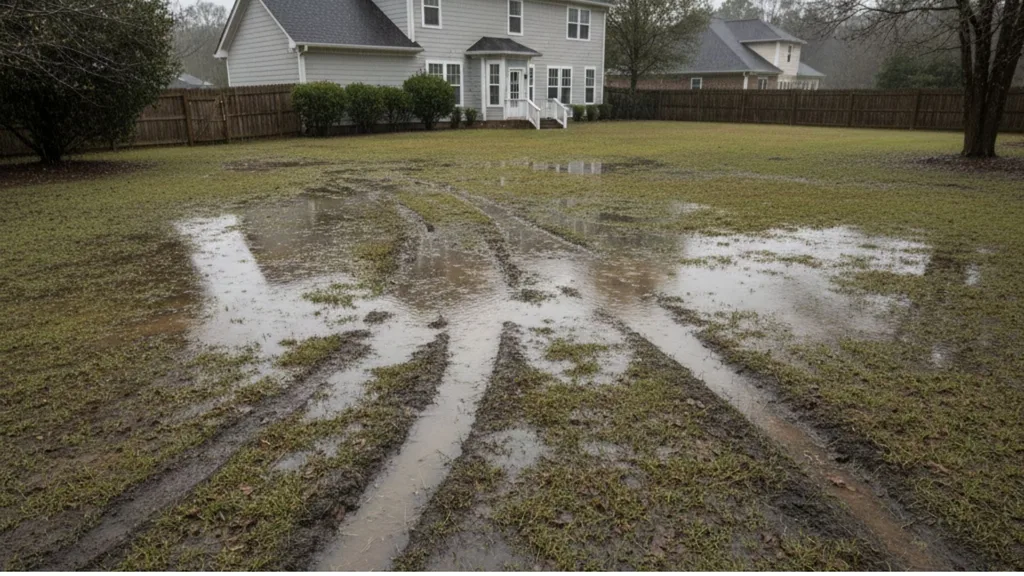
Between November and February, we typically see more rain, fluctuating temperatures, and different usage patterns as families spend more time indoors. Holiday guests, extra laundry, and increased water usage all add up. Meanwhile, saturated soil from winter rains can affect how well your drain field processes wastewater. When the ground stays wet for extended periods, it becomes harder for water to filter through the soil properly. This is where proper drainage and grading becomes essential to your property’s overall health.
Temperature swings matter too. While we rarely deal with hard freezes, those occasional cold snaps can impact bacterial activity in your tank. The beneficial bacteria that break down solid waste work best at consistent temperatures. When things cool down significantly, that process slows, which means solid waste accumulates faster than usual.
How Alabama’s Winter Weather Affects Your Septic System
Let’s talk about what actually happens underground during our winter months. Your septic tank relies on a delicate balance between incoming wastewater, bacterial breakdown, and outgoing effluent that flows into your drain field. Winter disrupts this balance in several ways.
Rainfall and Soil Saturation
Southern Alabama receives substantial rainfall during winter months, often 4 to 5 inches per month. When your drain field soil becomes saturated, it can’t absorb and filter wastewater effectively. This backup effect means water stays in your tank longer, potentially causing backups into your home.
Increased Water Usage
Cold weather drives everyone indoors. You’re doing more laundry, taking longer hot showers, running dishwashers more frequently, and having guests during the holidays. This increased water volume challenges your system’s capacity, especially if it hasn’t been pumped recently.
Bacterial Activity Changes
The microorganisms in your tank prefer stable, warm conditions. While our winter temperatures won’t kill these bacteria outright, cooler conditions slow their work. This means solids build up more quickly, and you might reach critical levels faster than during warmer months.
Warning Signs Every New Homeowner Should Know
Learning how to maintain a septic system in winter in Alabama starts with recognizing when something’s wrong. Your system will give you signals before a complete failure happens. Pay attention to these critical warning signs:
Inside Your Home:
- Slow drains throughout multiple fixtures
- Gurgling sounds coming from toilets or drains
- Water backing up in showers, tubs, or sinks
- Sewage odors near drains or in the laundry room
- Toilets that don’t flush completely
Outside Your Home:
- Standing water or soggy spots over your drain field
- Unusually lush, green grass above the septic area in winter
- Strong sewage smells around the tank or drain field area
- Visible sewage surfacing in your yard
If you notice any of these signs, don’t wait. What starts as a minor issue can quickly become a major problem requiring expensive repairs.
Maintenance Tasks You Can Handle Yourself
Not everything requires professional help. Here are practical steps you can take to protect your septic system throughout winter:
Watch What Goes Down Your Drains
This becomes even more critical during winter when your system is already working harder. Avoid putting grease, cooking oils, coffee grounds, feminine products, wet wipes (even those labeled flushable), medications, harsh chemicals, or excessive amounts of household cleaners down your drains. Stick to human waste and toilet paper only.
Manage Your Water Usage
Spread out water-intensive activities. Don’t run multiple loads of laundry back-to-back. Space out showers if you have guests staying over. Run your dishwasher during off-peak usage times. These small adjustments reduce the strain on your system significantly.
Protect Your Drain Field
Never park vehicles or place heavy equipment over your drain field. The wet winter soil is particularly vulnerable to compaction. Keep gutters and downspouts directed away from your septic area. Avoid planting trees or large shrubs near the system because roots seeking moisture will find and damage pipes.
Conserve Thoughtfully
Install low-flow showerheads and faucet aerators. Fix leaky toilets immediately. A running toilet can waste hundreds of gallons daily. Consider upgrading to high-efficiency appliances when it’s time to replace old ones.
When to Call in the Professionals
Some maintenance tasks require expertise and equipment you simply don’t have as a homeowner. Here’s when it’s time to reach out for help.
Regular Pumping and Inspections
Most residential septic tanks need pumping every 3 to 5 years, but that varies based on tank size, household size, and usage patterns. Winter is actually an excellent time to schedule professional septic pumping and maintenance. Working with a trusted local service provider means your system gets inspected thoroughly, accumulated solids get pumped out, and potential problems get identified before they become emergencies. Learn more about how often you should pump your septic tank based on your household’s specific needs.
During a professional inspection, the technician checks the structural integrity of your tank, examines baffles and filters, measures sludge and scum layers, inspects your drain field for signs of failure, and tests the overall system function. This comprehensive approach catches issues early when they’re much less expensive to fix.
Drain Field Problems
If you’re seeing warning signs specific to your drain field, like saturated areas, odors, or backup issues, this requires professional diagnosis. Drain field repairs can be complex, and attempting DIY fixes often makes things worse.
Pre-Winter Preparation
If you’ve just moved into your home and don’t know the septic system’s history, schedule an inspection before winter arrives. A professional can assess the current condition, recommend a pumping schedule, and give you a baseline understanding of what you’re working with.

Your Winter Septic System Checklist
Here’s a simple checklist to help you stay on top of septic maintenance through the winter months:
Monthly:
- Monitor for warning signs like slow drains, odors, or wet spots
- Check that gutters drain away from septic area
- Be mindful of increased water usage during holidays
Before Winter:
- Schedule professional inspection if system hasn’t been checked in 2 or more years
- Have tank pumped if it’s been 3 or more years since last service
- Locate and mark septic components so you can monitor them
Throughout Winter:
- Avoid heavy loads of laundry on the same day
- Keep harsh chemicals to a minimum
- Never flush anything except waste and toilet paper
- Keep vehicles and equipment off drain field
As Needed:
- Contact professionals immediately if warning signs appear
- Document any issues with photos and dates
- Keep records of all maintenance and service
Protecting Your Investment Throughout the Season
Learning how to maintain a septic system in winter in Alabama is really about developing good habits throughout the colder months. Your septic system is a significant component of your home’s value and functionality. Neglecting it can lead to repairs costing thousands of dollars, not to mention the health hazards and stress of dealing with sewage problems.
We work with homeowners throughout Baldwin County who wish they’d been more proactive about septic care. The families who treat their systems with preventive attention rarely face emergency situations. They save money, avoid stress, and maintain healthy, functional properties.
Winter doesn’t have to be a season of worry about what’s happening underground. With proper maintenance, your septic system will handle everything our Alabama weather throws at it. If you’re uncertain about your system’s condition or it’s been a while since your last inspection, now’s the perfect time to get ahead of potential problems. Our team understands the specific challenges local homeowners face, and we’re here to provide the expertise and service that keeps your home running smoothly through every season.
Ready to give your septic system the winter care it deserves? Give us a call at (251) 850-5884. We’ll help you understand exactly what your system needs and create a maintenance plan that fits your home and budget.
Frequently Asked Questions
How often should I pump my septic tank in Alabama?
Most residential septic tanks in Alabama should be pumped every three to five years. The exact timing depends on tank size, household size, and daily water use. Winter is a good time to schedule septic pumping and maintenance to reduce the risk of problems during higher use periods.
What are the warning signs of septic system problems in winter?
Common warning signs include slow drains, gurgling toilets, sewage odors inside the home, standing water over the drain field, or patches of grass that stay unusually green above the system. If any of these appear, professional service should be contacted right away to avoid major damage.
How does Alabama’s winter weather affect my septic system?
Winter rainfall can oversaturate drain field soil, which reduces its ability to filter wastewater. Colder temperatures and higher indoor water use also slow bacterial activity in the tank, allowing solids to build up more quickly. Proper drainage and grading help protect the system during wet winter conditions.