
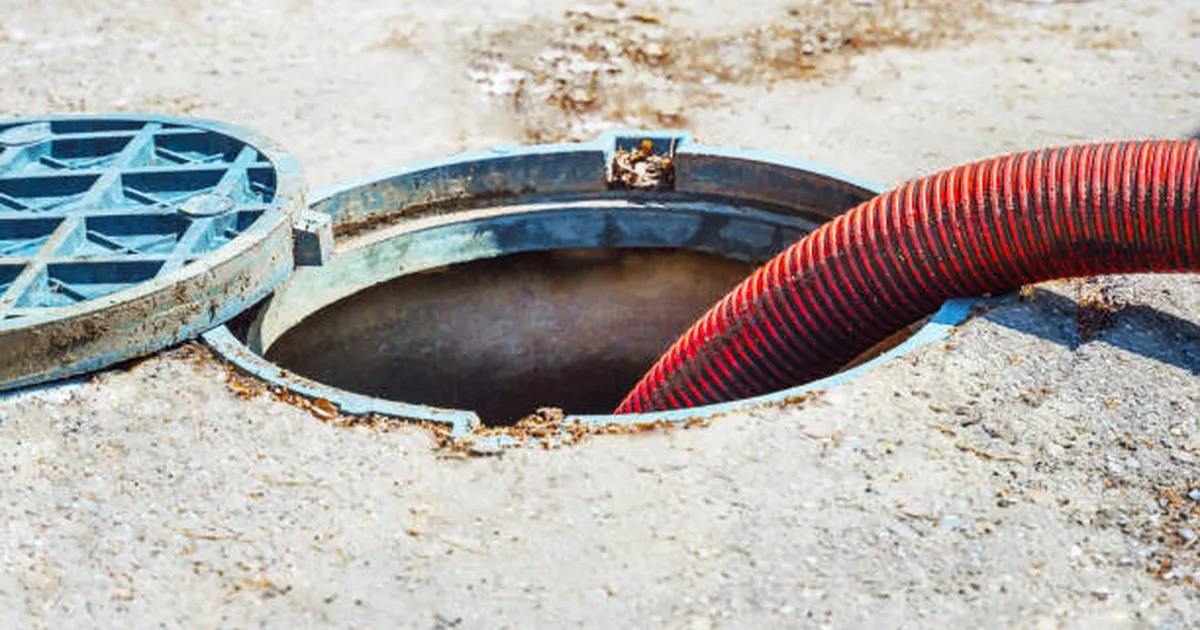
You step outside one fall morning, coffee in hand, only to notice a soggy patch in your yard where the grass should be firm. Or maybe you’ve been hearing odd gurgling sounds when someone flushes the toilet. These moments spark an uncomfortable question. How often should I have my septic tank pumped, and have I waited too long?
If you’re a homeowner in Daphne, Fairhope, or anywhere across Baldwin County with a septic system, you’re not alone in wondering about this. Septic maintenance isn’t exactly dinner table conversation, but understanding your system’s needs can save you from expensive emergencies, protect your property value, and give you genuine peace of mind, especially before the holiday season when your home is full of guests.
How Often Should I Have My Septic Tank Pumped
The standard recommendation is every 3 to 5 years, but that’s just a starting point. Your specific situation depends on several factors that make your home unique.
Think of your septic tank like a hardworking filter that needs regular attention. Solid waste settles at the bottom as sludge. Lighter materials float to the top as scum. The liquid in between flows out to your drain field. When sludge and scum build up too much, your system can’t do its job properly.
Your pumping schedule depends on these factors:
- Household size – A family of five generates significantly more wastewater than a couple living alone
- Tank capacity – Smaller tanks (750-1,000 gallons) fill faster than larger ones (1,500+ gallons)
- Water usage habits – Multiple daily showers, frequent laundry loads, and running water continuously all add up
- Garbage disposal use – These send extra solids into your system, requiring more frequent pumping
- Age of your system – Older tanks may need more attention
For most families in the Foley and Orange Beach areas with average-sized households, sticking to that 3-year mark is smart preventative care. Regular septic pumping and maintenance helps avoid unexpected problems.
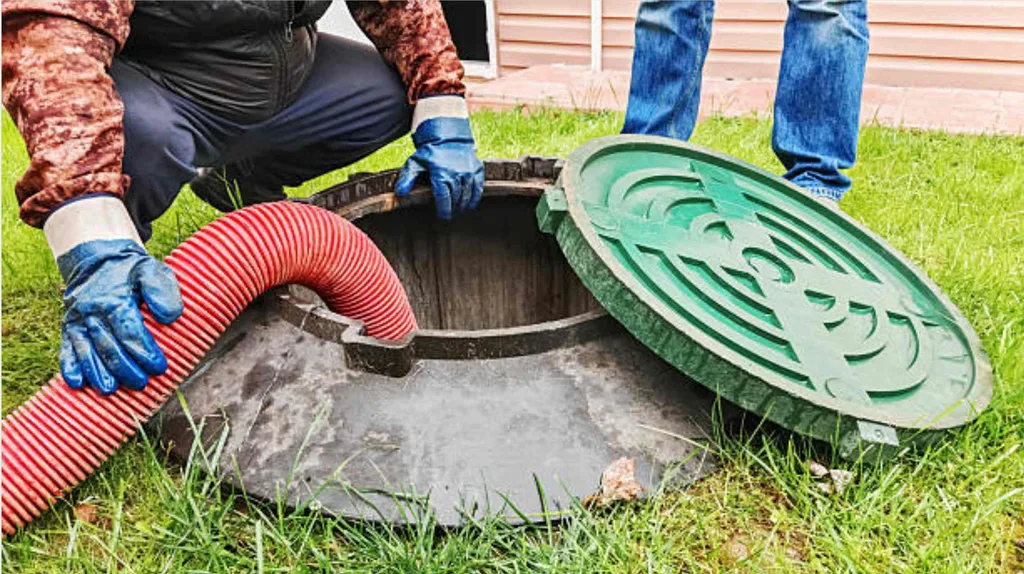
Recognizing the Warning Signs Early
Your septic system will tell you when something’s wrong. You just need to know what to listen for. Catching these signs early can mean the difference between a routine pumping and a major drain field replacement.
Watch for these red flags that demand immediate attention:
- Slow drains throughout the house – If multiple sinks, tubs, or toilets are draining sluggishly at the same time, your tank is likely full
- Sewage odors – Unpleasant smells near your tank, drain field, or even inside your home signal a backup
- Lush, extra-green grass – While beautiful lawns are the goal, unnaturally vibrant patches over your drain field mean effluent is surfacing
- Standing water or soggy ground – Puddles that appear when it hasn’t rained indicate your drain field can’t absorb water properly
- Gurgling sounds – Strange noises from drains or toilets suggest air is trapped because wastewater isn’t flowing correctly
- Sewage backup – This is the emergency you never want, with wastewater coming back into your home through drains or toilets
Here in Baldwin County, our heavy rainfall during late summer and fall can expose existing septic problems. Learn more about common septic tank warning signs to catch issues before they become emergencies.
What Should You Never Put Down Your Drains
Your septic system relies on a delicate balance of bacteria to break down waste naturally. When you introduce the wrong materials, you disrupt this process and accelerate the need for pumping, or worse, cause system failure.
Keep these items out of your drains and toilets:
- Grease, fats, and cooking oils because they solidify and clog pipes
- Coffee grounds that don’t break down
- Feminine hygiene products, diapers, and wipes, even the ones labeled “flushable”
- Medication and pharmaceuticals that kill beneficial bacteria
- Harsh chemical cleaners, bleach in large quantities, and drain openers
- Paint, paint thinners, and solvents
- Cat litter and paper towels
- Cigarette butts and dental floss
The best rule is simple. If it’s not human waste or toilet paper, it doesn’t belong in your septic system. Following proper septic system maintenance practices protects your investment and prevents costly repairs.
Can You Drive or Park Over Your Septic System
Short answer is no. Your drain field and septic tank weren’t designed to handle vehicle weight, and the consequences can be expensive.
Driving or parking over your system compacts the soil, which prevents proper drainage and oxygen flow. Your drain field needs air circulation to help bacteria break down waste effectively. Compacted soil also increases the risk of crushing pipes or cracking your tank. Repairs like these can run into the thousands of dollars.
If you’re planning a driveway installation or hardscaping project around your Loxley or Daphne property, make absolutely sure you know where your septic components are located. Professional excavation services can help you design around these areas safely. It’s also wise to keep trees and large shrubs away from your system, as aggressive roots can infiltrate and damage pipes over time.
The Real Cost of Neglecting Maintenance
Putting off septic pumping might seem like a budget-friendly choice in the moment. However, it’s one of those decisions that almost always costs more in the long run.
Here’s what’s at stake when you skip maintenance:
- Skipping scheduled pumping leads to system backup and overflow, costing $300 to $1,000+ for cleanup
- Ignoring slow drains results in drain field failure, with replacement costs from $3,000 to $10,000+
- Driving on drain field causes crushed pipes or tank damage, running $2,000 to $7,000+ for repairs
- Overloading with chemicals triggers bacterial die-off and system failure, costing $200 to $1,500+ for restoration
Regular pumping typically costs between $300 and $500 every few years. That’s a manageable expense compared to emergency repairs. When drain field problems do occur, professional drain field installation and repair services can restore your system’s functionality.
Fall Is the Smart Season for Septic Maintenance
Timing matters when it comes to septic service. Fall offers distinct advantages for homeowners across the Baldwin County region.
Before winter rains saturate the ground and before your home fills with holiday guests, fall provides the perfect window for maintenance. The weather is typically drier, making access easier for service trucks. You’re also getting ahead of the holiday season when increased water usage from extra showers, laundry, and dishwashing can push an already-full tank over the edge.
September through November is when many local homeowners schedule their pumping. It’s proactive rather than reactive. You’re maintaining your system before problems emerge, not scrambling to fix an emergency. Proper drainage and grading around your septic system also helps manage seasonal rainfall effectively.
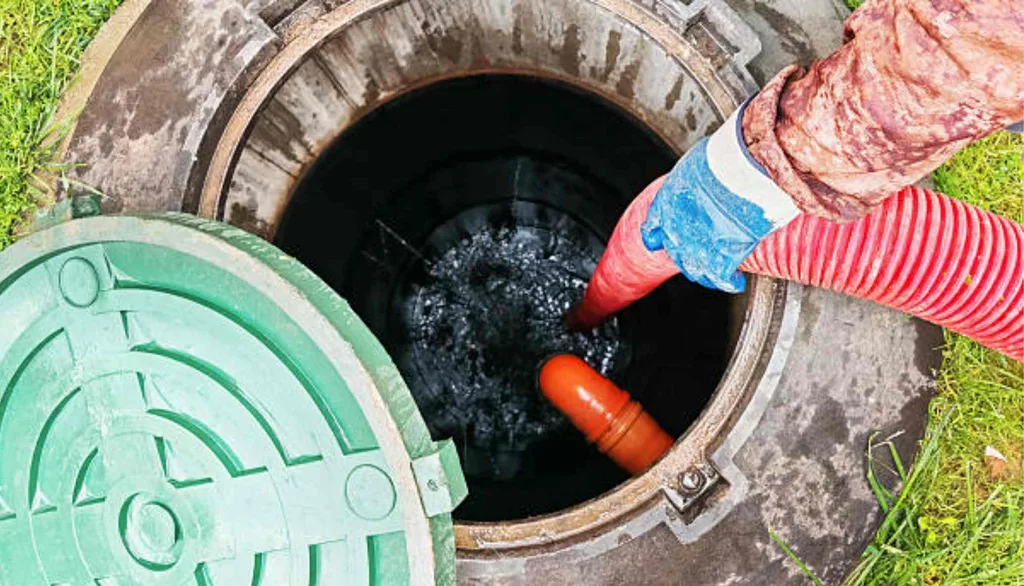
Choosing the Right Professional for Septic and Yard Work
Finding a contractor who understands both septic systems and the broader landscape matters more than you might realize. Your yard and your septic system aren’t separate entities. They’re interconnected parts of your property’s health.
Look for these qualities in a septic service provider:
- Local experience with Baldwin County soil conditions and regulations
- Clear communication about what they’ll do, why it’s necessary, and what it costs
- Proper licensing and insurance
- Integrated services that handle drainage issues alongside septic work
- Willingness to explain your system’s condition and answer questions without jargon
When you work with a company that offers both septic expertise and landscaping services, you benefit from that comprehensive understanding.
Taking Control of Your Home’s Health
Understanding how often should I have my septic tank pumped empowers you to protect one of your home’s most critical systems. That 3 to 5 year guideline gives you a framework, but paying attention to your household’s unique needs and catching warning signs early makes all the difference.
You don’t have to navigate septic maintenance alone or wonder whether you’re making the right decisions. P&C Septic Solutions brings an integrated approach to homes throughout Daphne, Fairhope, Orange Beach, and the surrounding communities. With five years serving Baldwin County since 2020, they’ve helped countless homeowners maintain healthy septic systems while keeping yards beautiful and functional. When you call (251) 850-5884, you’re connecting with professionals who treat your property with the same care they’d give their own. Learn more about comprehensive septic and landscaping solutions at pcsolutionllc.com and schedule your fall maintenance check before the busy season begins.
Frequently Asked Questions
How often should I have my septic tank pumped?
Most homeowners should pump their septic tank every 3 to 5 years. Your specific schedule depends on tank size, household size, water usage, and whether you use a garbage disposal. Families in Daphne, Fairhope, and surrounding areas with larger households may need pumping every 2–3 years. Regular septic pumping and maintenance prevents costly system failures.
What are the warning signs that my septic tank needs pumping?
Watch for slow drains throughout your home, sewage odors near your tank or drain field, unusually lush green grass patches over the drain field, standing water in your yard, gurgling sounds from drains, or sewage backup. If you notice any of these signs, contact a septic professional immediately to prevent drain field failure.
Can I damage my septic system by driving over it?
Yes, driving or parking over your septic tank or drain field can compact the soil, crush pipes, and crack the tank. This prevents proper drainage and reduces the oxygen flow needed for bacteria to break down waste. When planning driveways or excavation projects, always design around your septic system components.
What should I never put down my drains if I have a septic system?
Never put grease, fats, oils, coffee grounds, wipes (even “flushable” ones), feminine products, medications, harsh chemicals, paint, cat litter, or paper towels down your drains. These items disrupt the bacterial balance in your septic system and can cause failures. Following proper septic maintenance practices helps protect your system and your investment.
Why is fall the best time for septic maintenance in Alabama?
Fall provides ideal conditions for septic maintenance in Baldwin County. The drier weather makes access easier for service trucks, and it’s the best time to prepare your system before heavy winter rains and holiday guests arrive. Increased water usage during the holidays can overwhelm an already-full tank, making fall pumping a smart preventative measure.