
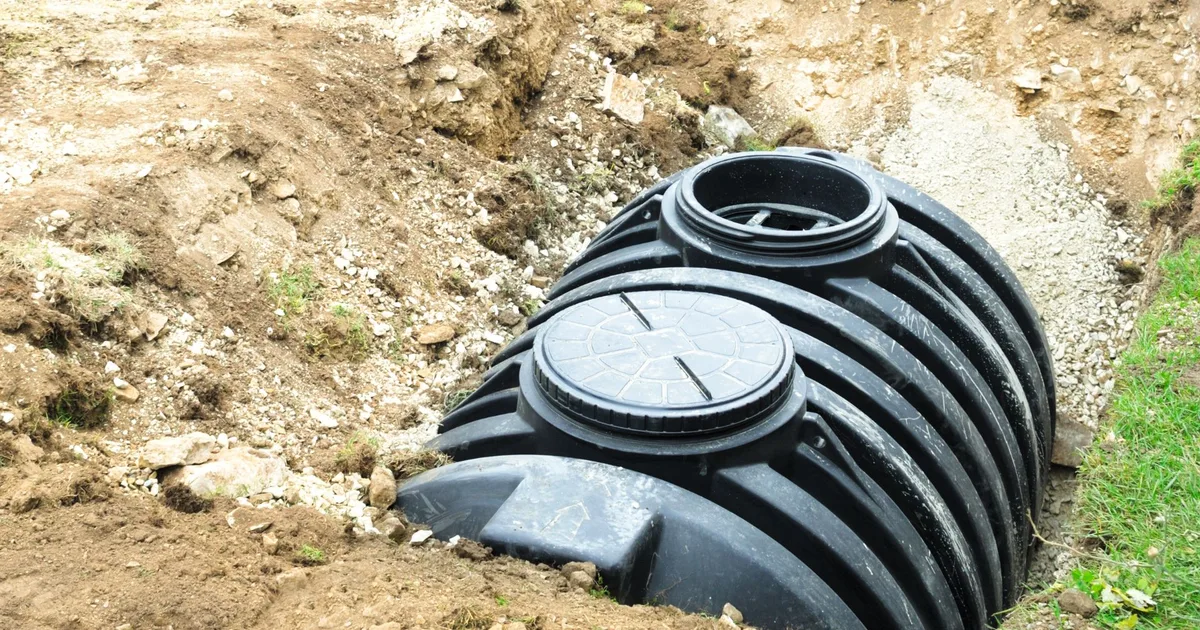
If you have ever watched a backhoe dig into the reddish-brown clay that sits just below the surface of most Daphne, AL lots, you already know that this soil does not drain the way it looks like it should. That tight, slow-draining profile is exactly why homeowners here cannot just pick any septic system off a list. Understanding what are the 3 types of septic systems with pictures is the starting point for making a decision that actually matches your land.
Direct answer: The three main types of septic systems covered here are conventional gravity systems, pressure distribution systems, and advanced (alternative) treatment systems. Conventional systems rely on gravity to move effluent through a drain field. Pressure systems use a pump to distribute effluent more evenly. Advanced systems treat wastewater to a higher standard before dispersal, often required on challenging or sensitive sites.
Key Takeaways
- Conventional gravity systems are the simplest and least expensive, but they require soil with adequate percolation rates that many Daphne lots do not have.
- Pressure distribution systems solve uneven effluent loading problems and are common on properties where the drain field has limited usable area.
- Advanced treatment systems are often required by Baldwin County when a lot is near wetlands, has a high water table, or has failed a perc test.
- Soil type, lot size, setback requirements, and proximity to water all drive which system the county will permit on your property.
- Choosing the wrong system type is one of the most common reasons drain fields fail prematurely in this area.
| System type | How it moves or treats wastewater | Best fit |
|---|---|---|
| Conventional gravity | Gravity carries effluent from the tank to the drain field. | Lots with suitable soil, slope, and drainage. |
| Pressure distribution | A pump doses effluent evenly across the drain field. | Sites with limited field area or uneven absorption. |
| Advanced or alternative | Added treatment or dispersal components clean effluent before release. | Challenging soils, high water tables, or sensitive sites. |
1. Conventional Gravity Septic Systems
A conventional gravity system is the design most people picture when they think of a septic setup: a buried tank that separates solids from liquid, followed by a drain field where effluent slowly percolates into the soil. No pump is required because the elevation difference between the tank outlet and the drain field trenches does the work. This system is straightforward to install and the least expensive to maintain over time, which is why it remains common on older Daphne properties with sandy or loamy soils that drain well. If your lot sits on higher ground away from the low-lying areas near Mobile Bay, and your perc test results come back in the acceptable range, a conventional system may be all you need.
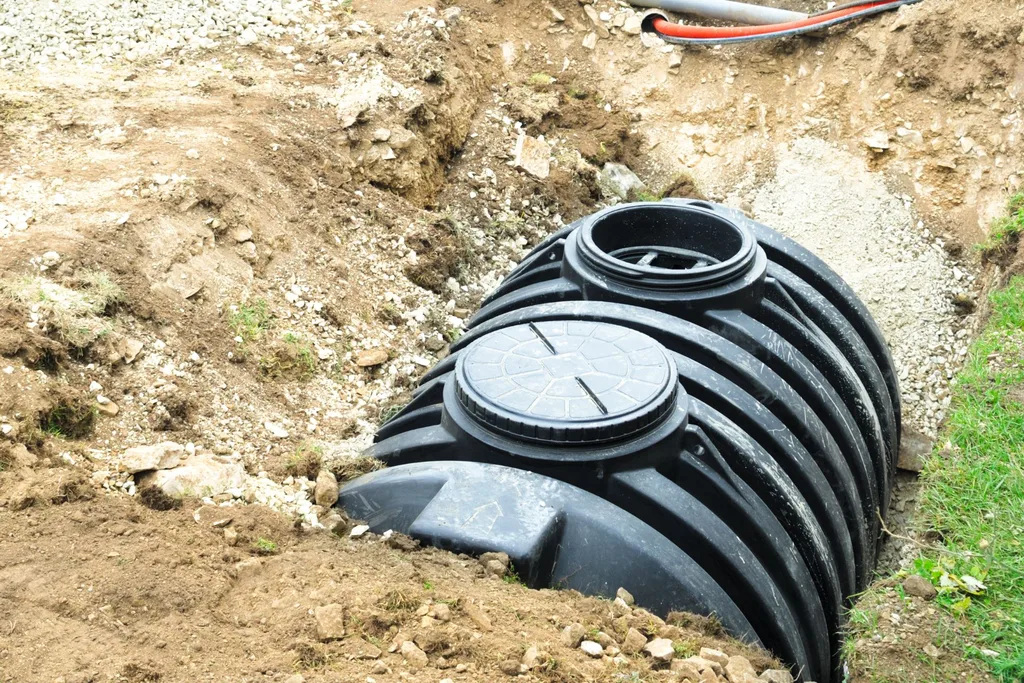
2. Pressure Distribution Septic Systems
A pressure distribution system uses a pump chamber installed after the septic tank to push effluent through a network of small-diameter pipes with evenly spaced holes. Instead of effluent pooling at the inlet end of a drain field, it gets spread across the entire field in controlled doses. This matters a great deal in Daphne because many lots have irregular shapes, limited drain field space, or soil layers that absorb water unevenly. The pump runs on a timer or float switch, and the added mechanical component means there is one more part to inspect and maintain, but the trade-off is a drain field that lasts significantly longer when it is loaded evenly.
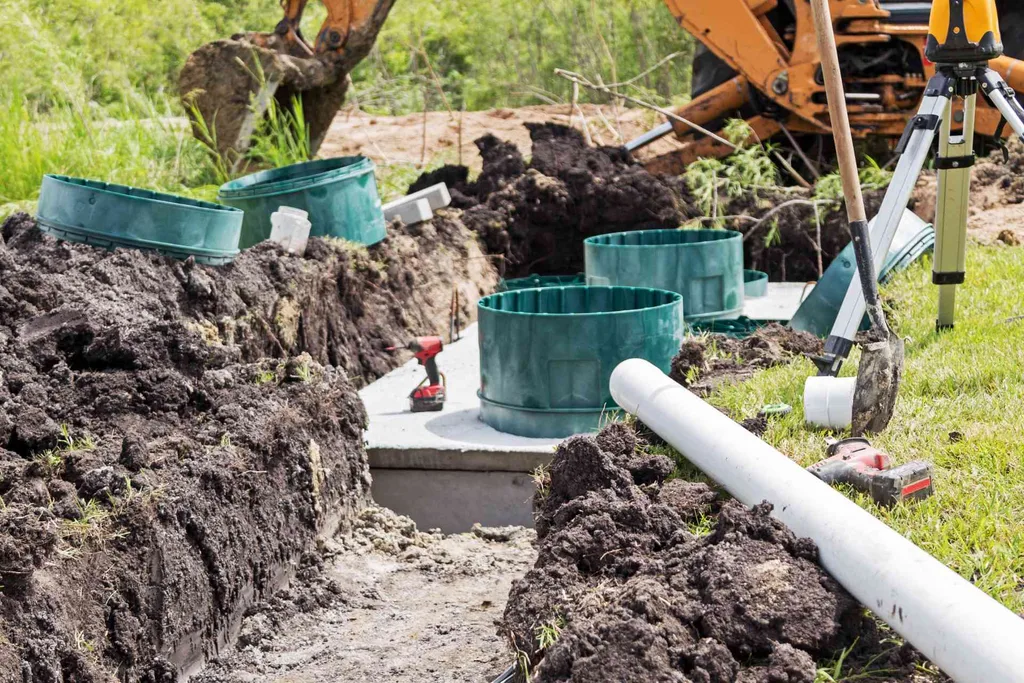
If you want to understand more about what drain field conditions demand here, our post on drain field installation in Daphne, AL covers the soil specifics in detail.
3. Advanced (Alternative) Treatment Septic Systems
Advanced treatment systems go beyond simple settling and soil absorption by adding a treatment stage that can include aerobic digestion, textile filters, drip irrigation dispersal, or mound construction above the natural soil grade. Baldwin County health department regulations require these systems on lots that cannot support a conventional or pressure system, including properties near the bay, lots with a seasonal high water table less than 12 inches from the surface, and parcels that have failed a standard percolation test. The treated effluent that leaves these systems is cleaner than what a conventional system produces, which is why they are permitted closer to sensitive water resources. If you are trying to figure out whether your property actually needs one, our guide on advanced septic systems walks through the decision factors in plain language.
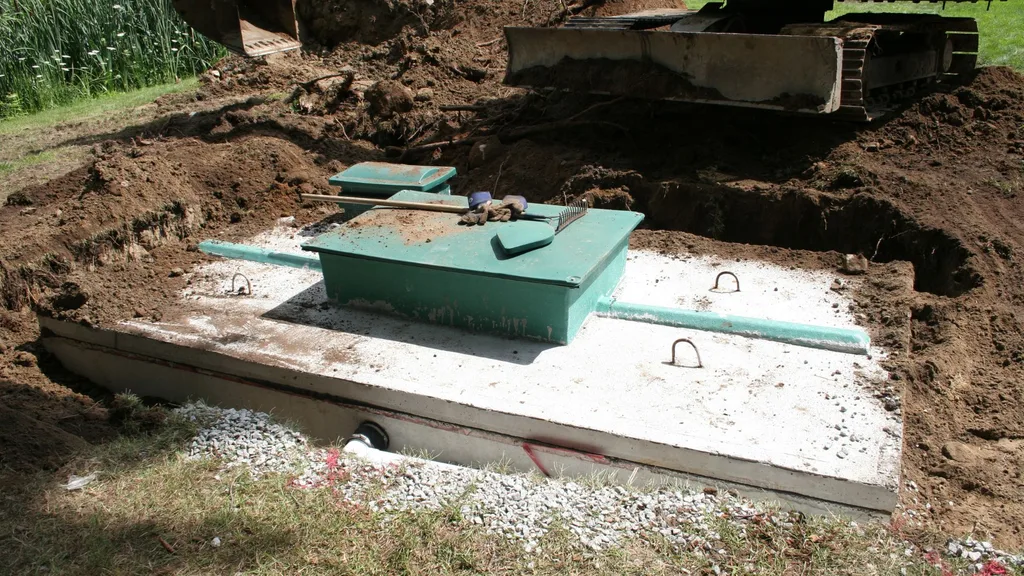
What Are the 3 Types of Septic Systems with Pictures? A Closer Look at Advanced Subtypes
When people search for what are the 3 types of septic systems with pictures, they often find that “advanced systems” is actually an umbrella covering several designs. The three most relevant in Baldwin County are aerobic treatment units (ATUs), drip dispersal systems, and mound systems. ATUs inject air into the treatment tank to accelerate bacterial breakdown and produce a cleaner effluent. Drip dispersal systems deliver that treated effluent through buried drip lines at a shallow depth, which works well on lots where deep trenching would hit the water table. Mound systems build up a raised bed of imported sand above the native soil so effluent has enough vertical distance to treat before it reaches groundwater. Each one requires a licensed installer and a specific permit from the county.
How Does Soil Type Determine Which System You Need?
Baldwin County environmental health requirements include applications, fees, and permits for onsite sewage work. Soil conditions, lot layout, and required setbacks from property lines, wells, and surface water help determine which design can be approved. Clay-heavy soils common in many Daphne neighborhoods can absorb water slowly, while sandy soils may drain too quickly for adequate treatment. A site evaluation is the right starting point before recommending a system type.
What Does Installation Actually Look Like on a Daphne Property?
The installation process varies by system type, but all three start with excavation and site prep. A conventional system typically involves digging a tank pit and a series of parallel trenches for the drain field. A pressure system adds a pump chamber and distribution manifold. An advanced system may require importing sand, setting up a control panel with alarms, and scheduling quarterly maintenance inspections as a condition of the permit. Our post on what the septic installation process actually looks like in Daphne covers the timeline and what homeowners should expect from start to finish. Regardless of which system type ends up being the right fit, the permitting, excavation, and final inspection steps are non-negotiable in Baldwin County.
Frequently Asked Questions
Can I choose which type of septic system I want on my Daphne property?
Not entirely. Baldwin County’s health department reviews your soil evaluation and perc test results and then approves a system type based on what the site can support. You can express a preference, and there are sometimes options within an approved category, but the county has final say. A lot near a wetland or with a high water table will almost always require an advanced system regardless of budget preference.
System type is also the biggest factor in what a full septic installation costs in Alabama, so it pays to understand it before you budget.
How long does each type of septic system last in this area?
A properly installed and maintained conventional system can last 25 to 40 years in suitable soil conditions. Pressure distribution systems have a similar lifespan for the drain field, though the pump and related components typically need attention every 5 to 10 years. Advanced treatment systems have more mechanical parts and require regular maintenance contracts, but the drain field component can last just as long when the system is serviced on schedule.
Does Baldwin County require inspections for advanced septic systems?
Yes. Most advanced treatment systems permitted in Baldwin County require a maintenance agreement with a licensed service provider, and the county may require periodic inspection reports as a condition of the permit. This is not optional, and failing to keep up with it can result in permit violations. Our team handles these maintenance visits for systems we install.
What are the signs that a septic system type was wrong for the property?
The most common signs are slow drains throughout the house, sewage odors in the yard, wet or spongy ground over the drain field, and effluent surfacing after heavy rain. In Daphne, these problems often show up after a particularly wet summer when the water table rises and a system that was marginal to begin with gets pushed past its limits. Having the system evaluated before the drain field fails completely is the best way to avoid a much larger repair bill.
Planning a septic installation or replacement in Daphne? Soil, water table, setbacks, and permitting all shape the right system choice. Request a site consultation with P&C Septic Solutions to discuss what your property can support.