
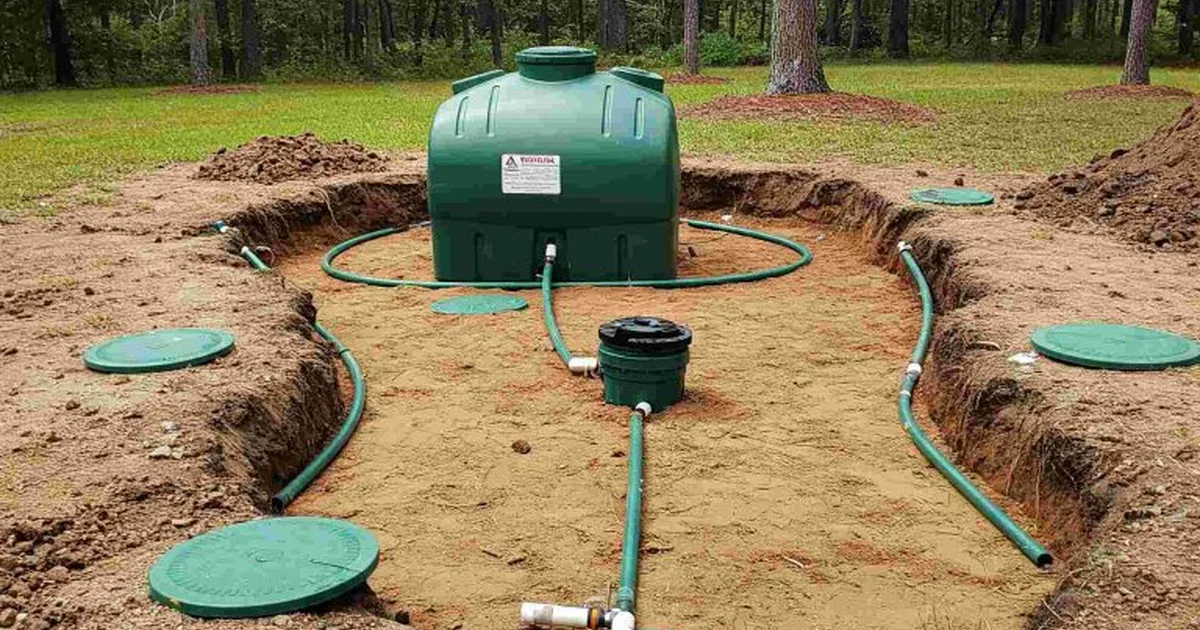
Get essential septic installation tips on timing, drainage, local soil considerations, and ensuring a long-lasting, high-performing system. Living in Alabama means enjoying lush landscapes, warm weather, and plenty of rainfall—especially as we head into early summer. But for homeowners in areas like Fairhope, AL, all that water can come with challenges below the surface. When it comes to protecting your property and keeping things flowing smoothly, septic installation isn’t something to overlook. In fact, installing the right system, the right way, is key to long-term drainage success.
In this article, we’ll break down what you need to know before, during, and after septic installation—especially in regions with heavy rain or tricky terrain. Whether you’re building a home or upgrading an older system, understanding the local conditions can save you time, stress, and money.
How Alabama’s Soil Impacts Septic System Design
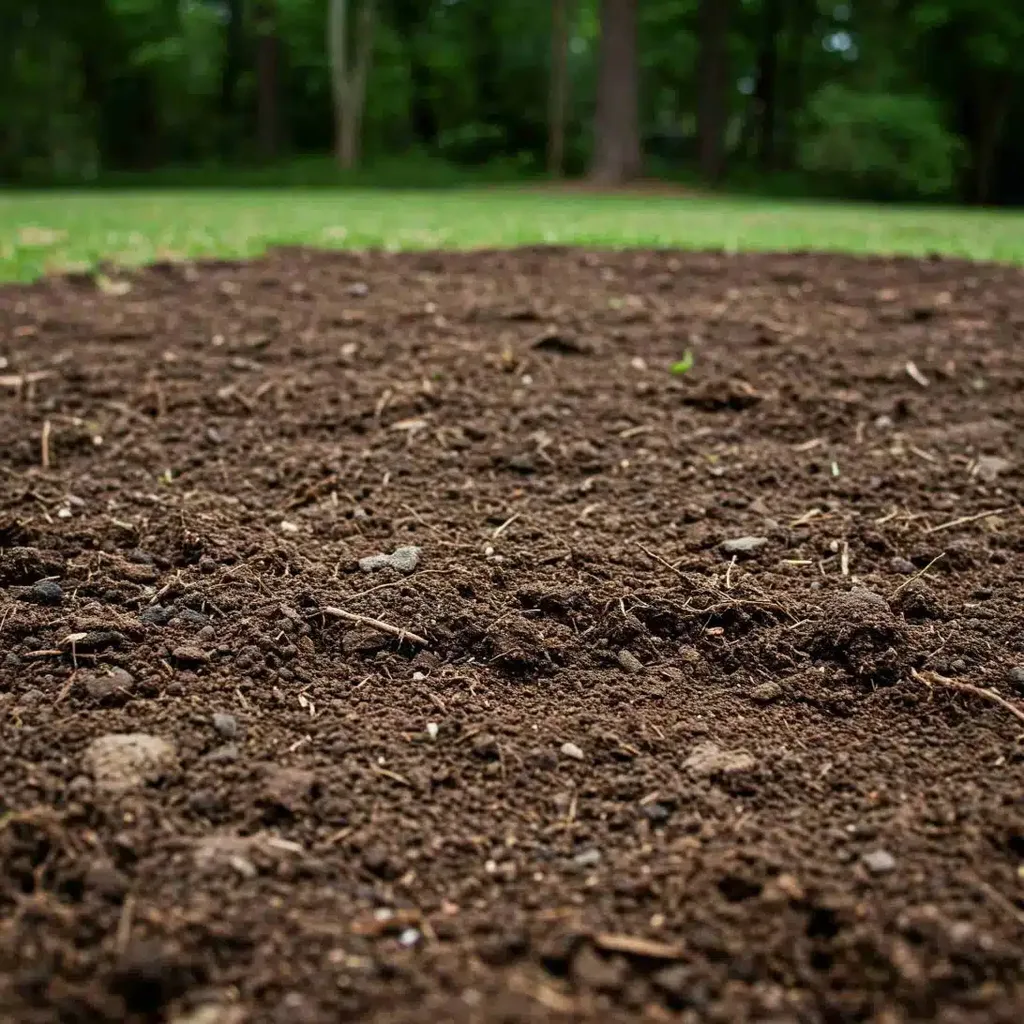
Alabama soils can vary, but many areas—especially around Fairhope, AL—feature clay-heavy or sandy soils. These types of soil each come with their own set of challenges when it comes to septic systems. Clay holds onto water, which can prevent proper drainage and lead to system overload. On the other hand, sandy soils may allow wastewater to move too quickly, risking contamination of nearby groundwater.
That’s why septic installation isn’t a one-size-fits-all project. The soil needs to be tested before any system goes in. A percolation test, or “perc test,” helps determine how quickly water drains through the soil.
From there, professionals can recommend the right type of system—whether it’s a conventional gravity-fed setup or an advanced treatment unit. Skipping this step or misjudging your soil type can lead to costly repairs later on.
The Role of Drainage and Grading in Septic Performance
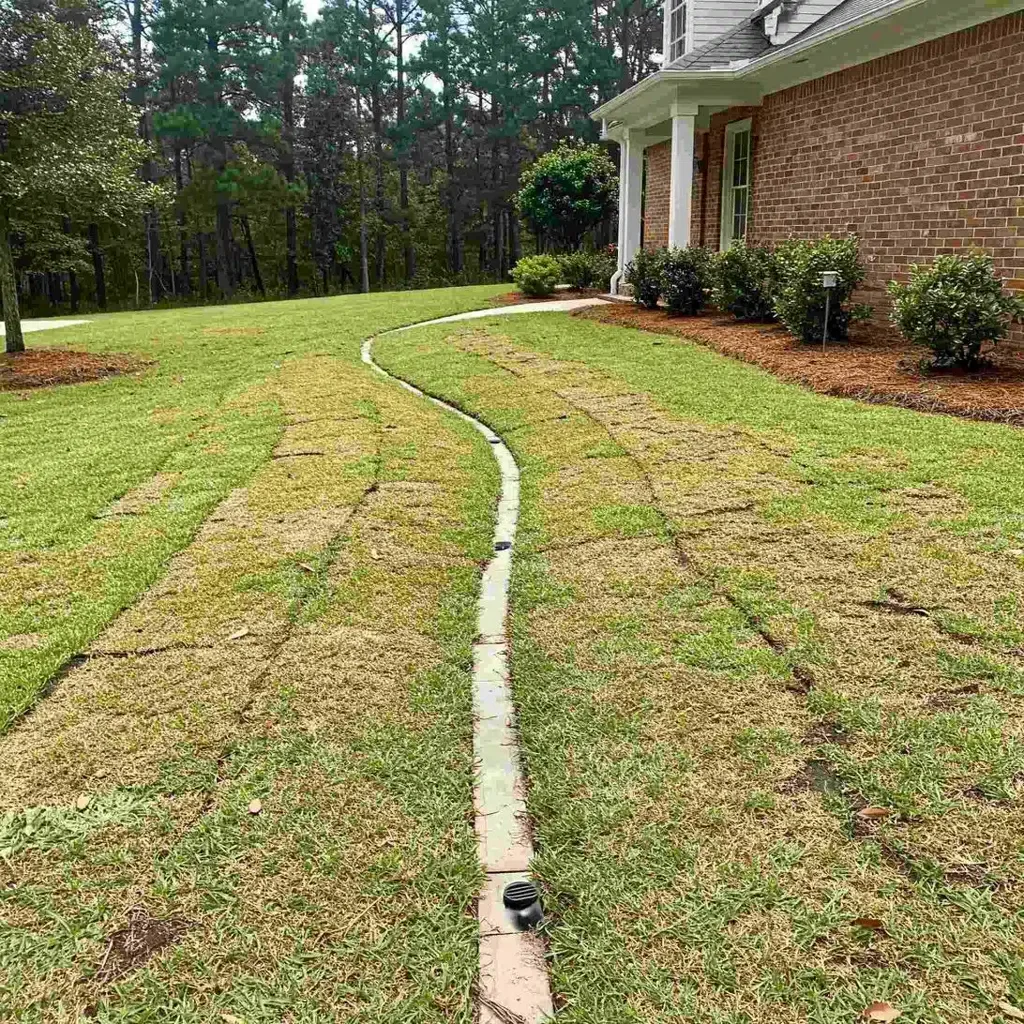
Drainage and grading are often overlooked parts of the septic installation process, but they’re essential in places like Fairhope, AL, where sudden storms and heavy rains are common. Without proper slope and runoff control, even a well-installed system can struggle—or worse, fail prematurely.
Here’s why drainage and grading matter:
- Prevents Standing Water: Water pooling around the drain field can lead to backups and system damage. Proper grading ensures water flows away from the septic area.
- Protects the Tank and Piping: Saturated soil around the tank puts unnecessary pressure on the system. Good drainage minimizes this risk.
- Supports Long-Term Function: When water can’t drain properly, it affects how solids and liquids separate within the tank—leading to more frequent pump-outs or clogs.
- Keeps Surrounding Areas Dry: Excess water can overflow into yards, driveways, or even nearby structures if runoff isn’t managed correctly.
If your property already has poor drainage or low-lying areas, your installer might recommend adding culverts, French drains, or regrading parts of the yard to support the new system.
Signs Your Property Needs a Custom Septic Solution
Not all septic systems work the same way, especially in Alabama’s varied landscape. From tight property lines to steep slopes and high water tables, there are several reasons a standard setup might not be the best fit. That’s where custom solutions come in—designed specifically to suit your property’s layout and conditions.
Keep an eye out for these signs your home may need a tailored septic installation approach:
- Frequent Drainage Problems: Standing water or soggy patches in the yard, even when it hasn’t rained, could signal improper drainage.
- Unusual Odors Outdoors: A strong sewage smell near your yard or drain field could mean the system isn’t breaking down waste properly.
- Slow-Draining Fixtures: If sinks, showers, or toilets take too long to drain, the problem might not be indoors—it could be the system itself.
- Previous System Failures: If your property has had past issues with septic systems or flooding, a custom installation can help prevent repeat problems.
In areas like Fairhope, AL, where properties often sit on uneven or moisture-heavy terrain, these red flags shouldn’t be ignored. Getting a system designed to your site’s unique layout ensures better function and long-term peace of mind.
Why Seasonal Timing Matters for Septic Projects
In Alabama, timing your septic installation is just as important as choosing the right system. Early summer brings drier ground, warmer temps, and fewer scheduling conflicts—making it one of the best times to get the job done right.
Weather conditions can shift fast, especially with hurricane season around the corner. Planning ahead keeps your project on track and your system protected.
Here’s why early summer is ideal for septic installation:
- Dryer soil—easier excavation and less yard damage
- Fewer weather delays and faster inspections
- Avoids scheduling crunch during peak season
- Reduces stress from heavy rains or storm runoff
- Gives time for yard restoration before fall
Installing now helps ensure long-term system health—and fewer headaches down the road.
Plan Smart for a Reliable Septic System
Whether you’re building a new home or upgrading an outdated system, understanding how local soil, weather, and drainage affect performance is key. A well-planned septic installation gives your home a stronger foundation—literally and figuratively—especially in areas like Fairhope, AL, where seasonal weather plays a big role in system success.
At P&C Septic Solutions, we know the land, the climate, and the best way to build for both. Our team offers expert septic installation, grading, and full-service drainage solutions tailored to your property’s unique needs.
Ready to get started? Call us today at (251) 850-5884 or fill out the quick contact form on our website to schedule a consultation. Let’s make sure your system is built to last—season after season.
How long does a septic installation usually take in Fairhope, AL?
Most installs take 3–7 days, depending on soil conditions, grading needs, and permit timing. Weather delays are common, so early planning helps.
Is spring or summer better for septic installation?
Late spring and early summer offer the best window—soil is drier, weather is stable, and contractors are more available before hurricane season begins.
What factors affect the cost of septic installation in this area?
Costs depend on system type, property layout, and any grading or drainage work needed. For a more accurate estimate, reach out for a custom consultation.
Are certain soil types in Fairhope, AL more difficult to work with?
Yes—clay-heavy or sandy soils each present drainage challenges. A perc test helps determine the best system design for your specific property.