

The turkey is in the oven, the cousins are in the guest rooms, and somewhere between the third load of towels and the fifth shower of the morning, your septic system quietly starts doing a job it was never sized for. Holiday weeks are some of the heaviest water-use weeks of the year for a Baldwin County home, and they often land right as the Gulf Coast wet season gets going.
The good news is that a healthy septic system can handle a full house for a few days. The trick is to spread the load out, keep the wrong things out of the pipes, and know the warning signs before a backup ruins the weekend. Here is what to do before, during and after the holidays.
Why a full house stresses a septic system
Every drop of water that goes down a drain in your house ends up in the septic tank. The U.S. Environmental Protection Agency notes that indoor water use in a typical single-family home can run as high as 70 gallons per person, per day. Add six or eight overnight guests to a household of three or four and the daily volume rises quickly, while the tank and drain field stay exactly the same size.
That size is set by the number of bedrooms the home was permitted for, not by how many people are sleeping there on a given night. Under the Alabama Department of Public Health onsite sewage rules, a septic tank for a dwelling is sized based on the number of bedrooms. A three-bedroom home with a dozen people in it is carrying a bigger load than the design assumed, and that is the situation the Alabama Cooperative Extension System is talking about when it suggests pumping more often for households that regularly host extra guests.
Why Gulf Coast soil leaves less room for error
Baldwin County sits on the East Gulf Coastal Plain. According to the U.S. Geological Survey, the coastal part of the county is made up of flat to gently rolling plains, tidal streams, marshes and wetlands, and annual rainfall averages about 66 inches. Sandy soil and a high water table are common along the Gulf Coast. Alabama Extension points out that soil with too much sand lets wastewater move through before it is fully treated, while the Alabama Department of Public Health requires a minimum separation between the bottom of a drain field and the zone where the soil becomes saturated.
In plain terms, the drain field has a limited amount of unsaturated soil to work with. When the ground is already wet and a big batch of holiday wastewater arrives, there is less cushion.
Before the guests arrive: a quick checklist
- Check the toilets for leaks. The EPA says a single running or leaky toilet can add as much as 200 gallons of water a day. Guest bathrooms that have sat unused are worth a look. A few drops of food coloring in the tank will show a leak if color appears in the bowl without flushing.
- Think about when the tank was last pumped. The Alabama Department of Public Health recommends having a licensed contractor clean the tank and effluent filter every three to five years, and the EPA lists household size and total wastewater generated among the factors that change that interval. If you are near or past your interval, pre-holiday is a smart time to schedule.
- Find your lids. If you cannot locate your tank access, now is easier than during a problem. Your health department can often provide the permit and system diagram.
During the holiday: spread out the water
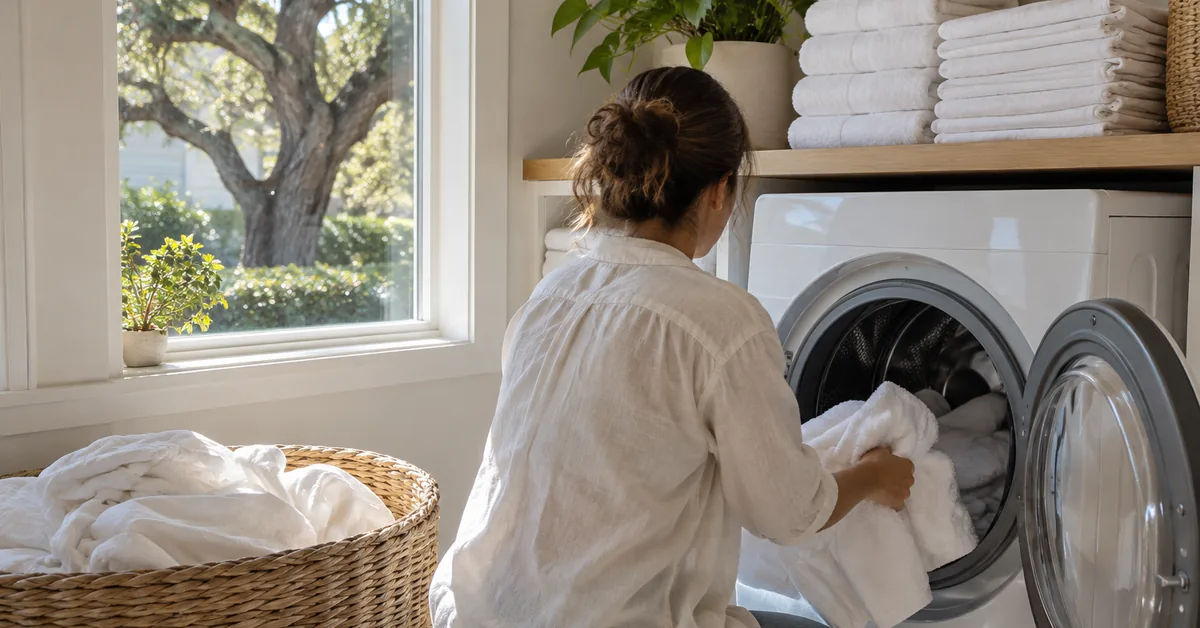
The single most useful habit is also the easiest. Both the Alabama Department of Public Health and the EPA recommend spreading laundry over several days instead of doing it all in one day, because a pile of loads in one morning does not give the tank time to treat waste and can flood the drain field. With guests, that means:
- Wash towels and bedding in the days before and after the peak, not all on Saturday morning.
- Run full loads only, and avoid back-to-back loads with the dishwasher and showers going at the same time.
- Stagger showers if you can, especially in the evening when everyone is getting ready at once.
Holiday cooking and what goes down the drain
Big meals produce grease, scraps and a lot of dishes. The EPA says never to pour cooking grease or oil down the drain, and to eliminate or limit garbage disposal use because a disposal sends fats and solids into the tank. The Alabama Department of Public Health goes further, noting that a garbage disposal increases the solids in a tank by about 50 percent, which means a tank may need pumping more often than the usual schedule.
For a holiday week, that translates to a few simple rules. Scrape plates into the trash or compost. Let cooking fat cool and put it in the trash. Keep coffee grounds out of the sink. Remind guests that the toilet is not a trash can: only human waste and toilet paper. Wipes and paper towels do not break down the way toilet paper does. And skip the chemical drain opener if a sink slows down. The EPA suggests boiling water or a drain snake instead, because harsh chemicals can harm the living organisms that make a septic system work.
Protect the yard too
Holiday gatherings put cars on the lawn and decorations in the ground. Do not park or drive on the drain field, since the Alabama Department of Public Health and EPA both warn against it. Wet winter soil compacts easily, and compacted soil does not absorb wastewater well. Drain field lines can also be shallow, so think twice before hammering in stakes for yard displays or digging for a temporary fence. If you are unsure where the field is, ask before you dig.
Warning signs after a busy week
Watch for slow-draining sinks or tubs, gurgling in the pipes, sewage odors, and wet spots or standing water over the drain field. The Alabama Department of Public Health lists these as signs of a potential system problem. If you see them, cut water use immediately and arrange an inspection. Do not keep running laundry to see if it clears up. If your system has a pump and an alarm sounds, treat that seriously too.
Never open or climb into a tank yourself. The Alabama Department of Public Health warns that toxic gases in a septic tank can kill.
Frequently Asked Questions
How many guests can a septic system handle?
There is no single number. The system is sized for the bedrooms in the home, and what matters is total daily water use and how well it is spread out. A short stay with staggered laundry and showers is usually manageable for a healthy system. Long stays or large gatherings are harder, especially on a system that is overdue for pumping or sitting in wet ground.
Should I pump the tank before the holidays?
If you are close to or past the three to five year range recommended by the Alabama Department of Public Health, or you have a garbage disposal or a larger household, it is a sensible time to do it. If the yard is flooded or saturated, ask a professional before pumping, since the EPA cautions against pumping a tank when the drain field is saturated.
What should I do if a toilet backs up while guests are here?
Stop using water in the house, including laundry and the dishwasher, keep everyone away from any wet areas, and call a septic professional. Do not use chemical cleaners in the drain.
Plan ahead with P&C Septic Solutions
If your tank is due, you are not sure what shape your system is in, or you are hosting a crowd and want a second opinion, P&C Septic Solutions provides septic pumping with a visual inspection and septic inspections with a written report across Baldwin County, including Daphne, Fairhope and Foley. Contact us through our contact page or request a quote, and we will help you get ahead of the holiday rush.